
glass full length mirror
Understanding T-Slot Cast Iron Surface Plates An Essential Tool in Precision Measurement In the world of manufacturing and precision engineering, achieving accurate measurements is paramount. One critical tool that plays a vital role in this process is the T-slot cast iron surface plate. This article delves into the characteristics, uses, and advantages of T-slot cast iron surface plates, highlighting their significance in modern industrial applications. What is a T-Slot Cast Iron Surface Plate? A T-slot cast iron surface plate is a flat, level, stable, and rigid surface designed for the purpose of inspection, marking out, and assembling components. Constructed from high-quality cast iron, these plates are engineered to provide precision and reliability. The unique aspect of a T-slot surface plate is its T-shaped slots, which enable the securement of fixtures and measuring devices, allowing for a versatile range of applications. Characteristics of T-Slot Cast Iron Surface Plates 1. Material The primary material used in the construction of these plates is gray cast iron. This material is favored for its durability, ability to withstand industrial wear and tear, and excellent vibration-dampening properties. 2. Flatness and Stability Surface plates are manufactured to strict tolerances, ensuring their flatness and stability. This precision is vital for achieving accurate measurements during inspections and setups. 3. T-Slot Design The T-slots integrated into the surface provide flexibility in securing measuring instruments or fixtures. This design facilitates ease of use and adjustment, making it a preferred choice in machine shops and laboratories. 4. Size Variability T-slot surface plates come in various sizes, from small handheld versions to large plates used for massive components. This diversity allows them to cater to different industrial needs. Uses of T-Slot Cast Iron Surface Plates T-slot cast iron surface plates serve multiple purposes in manufacturing and engineering processes 1. Inspection and Quality Control These plates are often employed in quality control environments to inspect machined parts. Using precision instruments, operators can measure dimensions and check for flatness, ensuring that components meet specified tolerances. t slot cast iron surface plate 2. Layout and Marking Out Engineers and machinists use surface plates to lay out and mark dimensions on components before machining . The flat surface provides a reference point, making it easier to achieve accurate cuts and shapes. 3. Assembly Work Surface plates are also used as a stable base for assembling components. The T-slots allow for the secure mounting of jigs and fixtures, enhancing productivity and precision during assembly. 4. Testing and Calibration In laboratories, T-slot surface plates are instrumental in testing and calibrating measuring instruments, ensuring that they function within required specifications. Advantages of T-Slot Cast Iron Surface Plates 1. Enhanced Precision The rigidity and flatness of these plates contribute to the accuracy of measurements and setups, reducing the chance of human error. 2. Durability Cast iron is known for its strength and resilience, allowing the plates to endure heavy loads and rough handling without deforming. 3. Versatility The T-slot design permits the attachment of various fixtures and tools, making surface plates adaptable to diverse applications. 4. Vibration Damping The inherent properties of cast iron assist in dampening vibrations, which is crucial when making precise measurements. 5. Cost-Effectiveness While the initial investment may be significant, the durability and functionality of T-slot surface plates make them a cost-effective solution over time. Conclusion In summary, T-slot cast iron surface plates are indispensable tools in precision measurement and engineering. Their unique features, combined with their robust construction, make them ideal for a variety of applications ranging from quality control to assembly. By understanding the advantages and uses of these plates, industries can enhance their operational efficiency and maintain high standards of accuracy in their processes. As technology advances, the relevance of T-slot cast iron surface plates remains steadfast, showcasing their importance in a precision-driven world.
about
glass full length mirror
Understanding the Square Knife Gate Valve A Comprehensive Overview The square knife gate valve is an essential component widely used in various industrial applications, particularly in the sectors of water treatment, mining, and pulp and paper processing. Known for its reliability and efficiency, this type of valve serves as a crucial control mechanism for regulating the flow of fluids and solids through pipes and channels. In this article, we will explore the features, benefits, and applications of the square knife gate valve, as well as its operational principles. Features of the Square Knife Gate Valve The design of the square knife gate valve is characterized by its rectangular shape, which distinguishes it from conventional round gate valves. This unique geometry allows for a larger flow area and helps minimize turbulence when fluids or solids pass through. The blade-like gate is engineered to slice through the material being transported, ensuring a clean cut and reducing the risk of clogging. Typically made from robust materials such as stainless steel, cast iron, or other alloys, the square knife gate valve is built to withstand harsh operational conditions. Additionally, it features a heavy-duty actuator that can be operated manually or automatically, depending on the requirements of the system. Benefits of Using Square Knife Gate Valves 1. Efficiency The design of the square knife gate valve promotes efficient flow control, allowing for quick opening and closing actions. This efficiency is crucial in processes where time is of the essence. 2. Minimal Leakage The construction of the knife gate valve minimizes the chances of fluid leakage, making it an ideal choice for applications where maintaining integrity is paramount. square knife gate valve 3. Durability These valves are built to last, capable of enduring high pressures and aggressive substances without degradation. This durability translates into longer service life and reduced maintenance costs. 4. Versatility Square knife gate valves are adaptable to various media, including slurries, liquids, and gases, making them suitable for a wide array of industries. Applications Square knife gate valves find their applications across diverse industries. In wastewater treatment plants, they are employed to manage the flow of sewage and sludge efficiently. In mining operations, these valves facilitate the handling of thick slurry that can be abrasive and challenging to control. The pulp and paper industry benefits from their ability to manage stock and pulp flow, ensuring a seamless production process. Additionally, the food and beverage industry uses square knife gate valves for their ability to handle viscous materials without affecting product quality. Their reliability is critical in ensuring uninterrupted operations in sectors where hygiene and safety are non-negotiable. Conclusion The square knife gate valve is a vital instrument in modern engineering, offering unparalleled performance in flow control applications. Its unique design, coupled with durable construction and versatility, makes it a preferred choice in many industries. As technology advances and industries evolve, the role of square knife gate valves will continue to grow, and their contributions to efficiency and safety in fluid management cannot be overstated. Those looking for reliable flow control solutions should consider integrating square knife gate valves into their systems to enhance performance and longevity.
-

High quality industrial productsagement

High quality industrial products
View Details -

Meet the diverse needs of customers

Meet the diverse needs of customers
View Details -

Strict quality control

Strict quality control
View Details -

Top raw materials

Top raw materials
View Details -

Trusted supplier

Trusted supplier
View Details
Our application

news and information

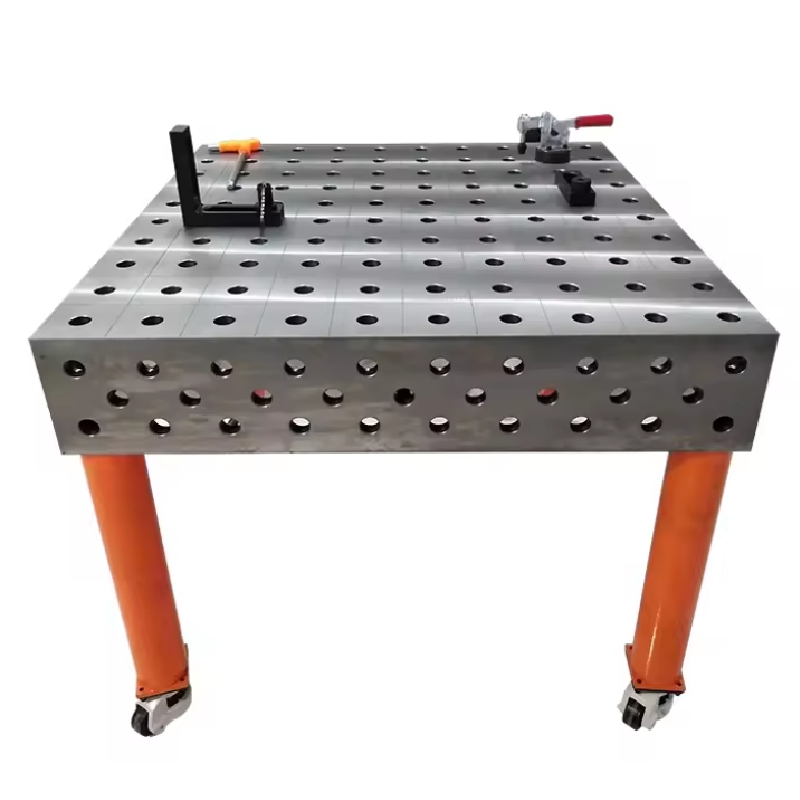
Versatile 4x4 Welding Table for Precision Metal Fabrication and Joinery Projects
The Versatility of a 4x4 Welding Table Welding is an essential fabrication process that requires pre
What is the Use of a Thread Ring Gauge_
When it comes to precision in manufacturing and quality control, ensuring the accuracy of threads is

Versatile 3x6 Welding Table for Efficient Metalwork and Fabrication Projects
The Essential Guide to 3x6 Welding Tables Boosting Your Fabrication Skills Welding is an art and a s
 English